

Details
UNDERSTANDING TERMITES
Termites are detritophagous, eusocial insects commonly referred to as “white ants.” However, they are more closely related to cockroaches. To date, approximately 2,972 termite species have been identified worldwide, posing a significant threat to property structures.
LIFE CYCLE AND COLONY STRUCTURE
A termite colony functions as a highly organized superorganism, where each caste plays a critical role in survival and growth.
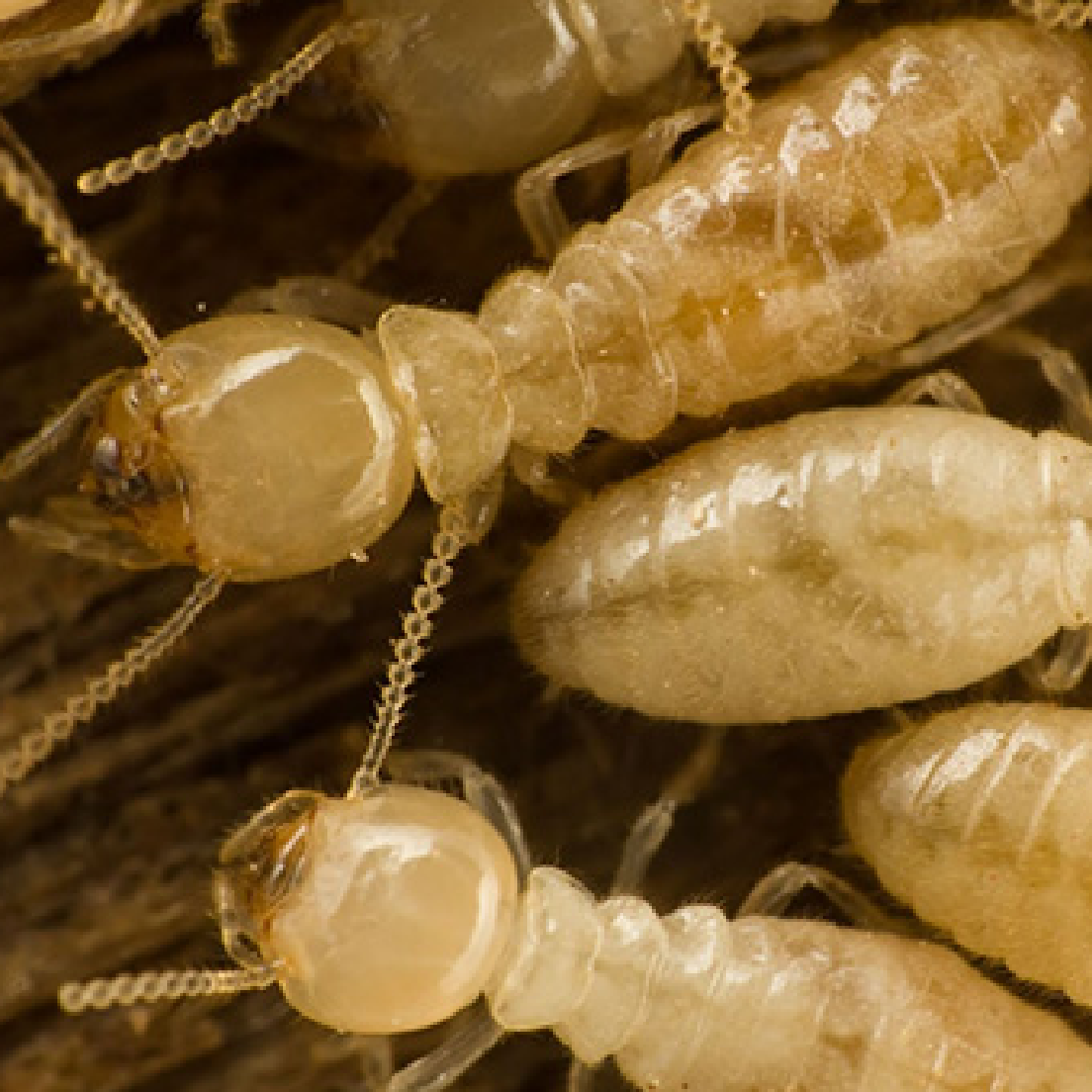 WORKERS
Soft-bodied; responsible for feeding, nest construction, and maintenance.
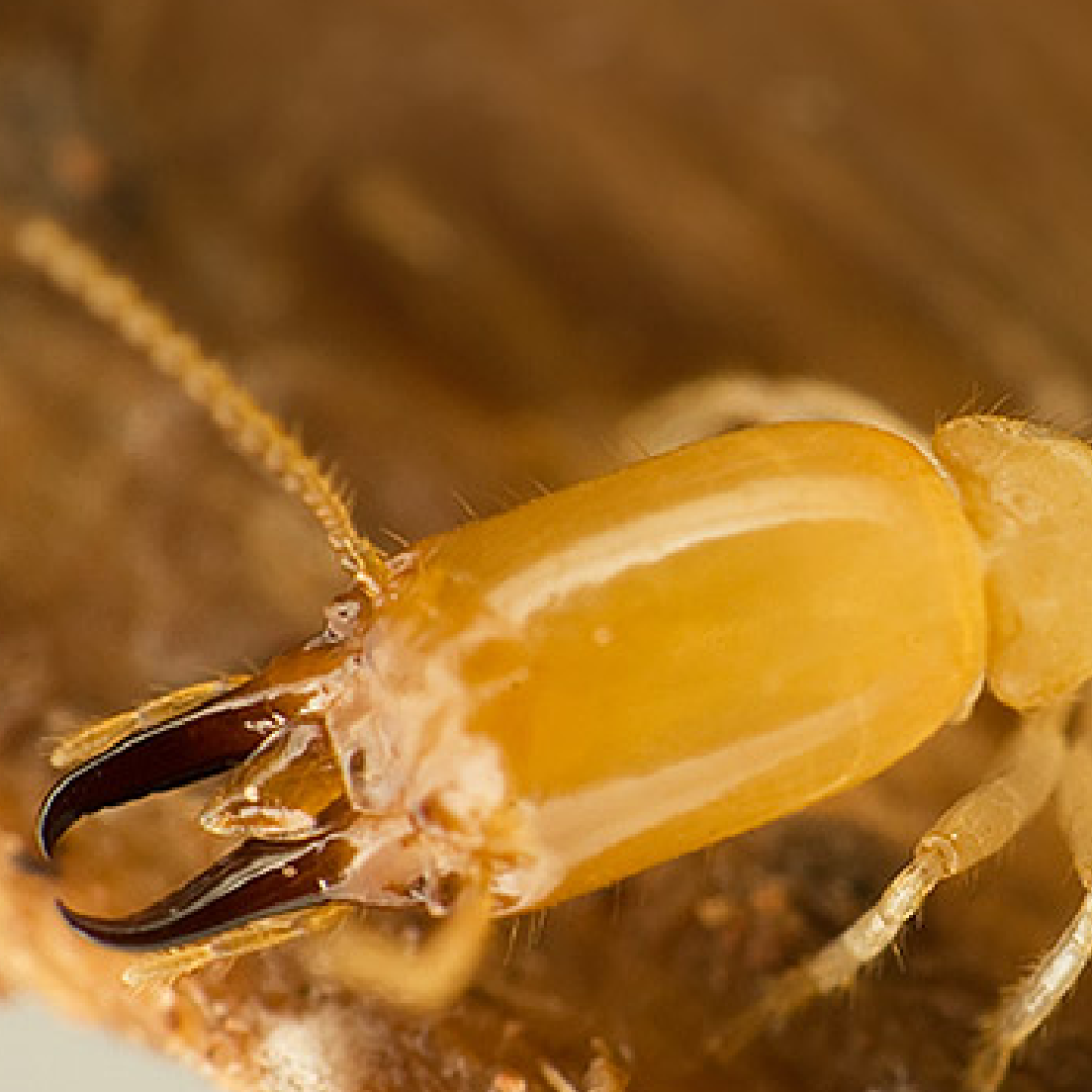 SOLDIERS
Specialized defenders equipped to protect the colony from predators.
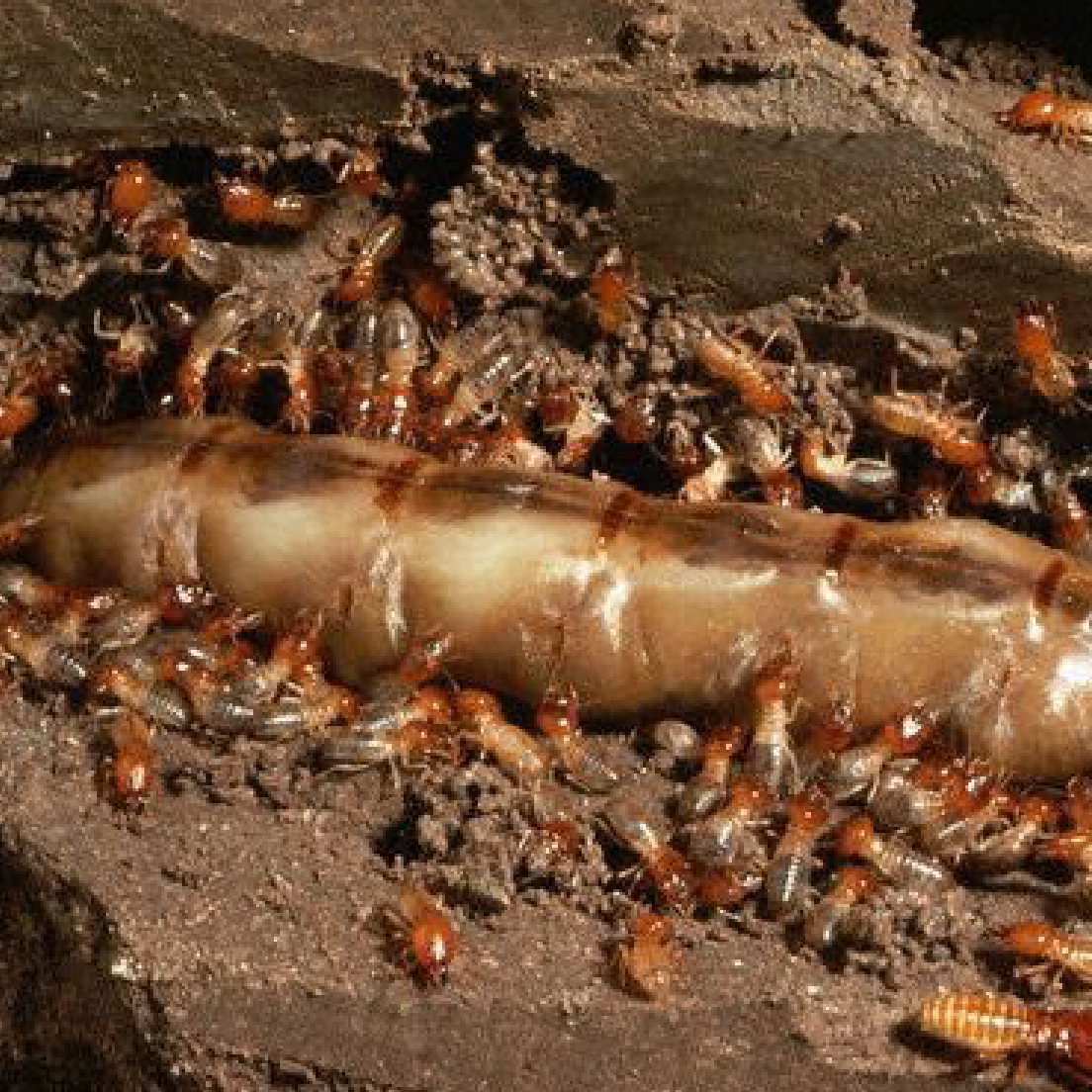 QUEEN & KING
The primary reproductive pair responsible for colony expansion.
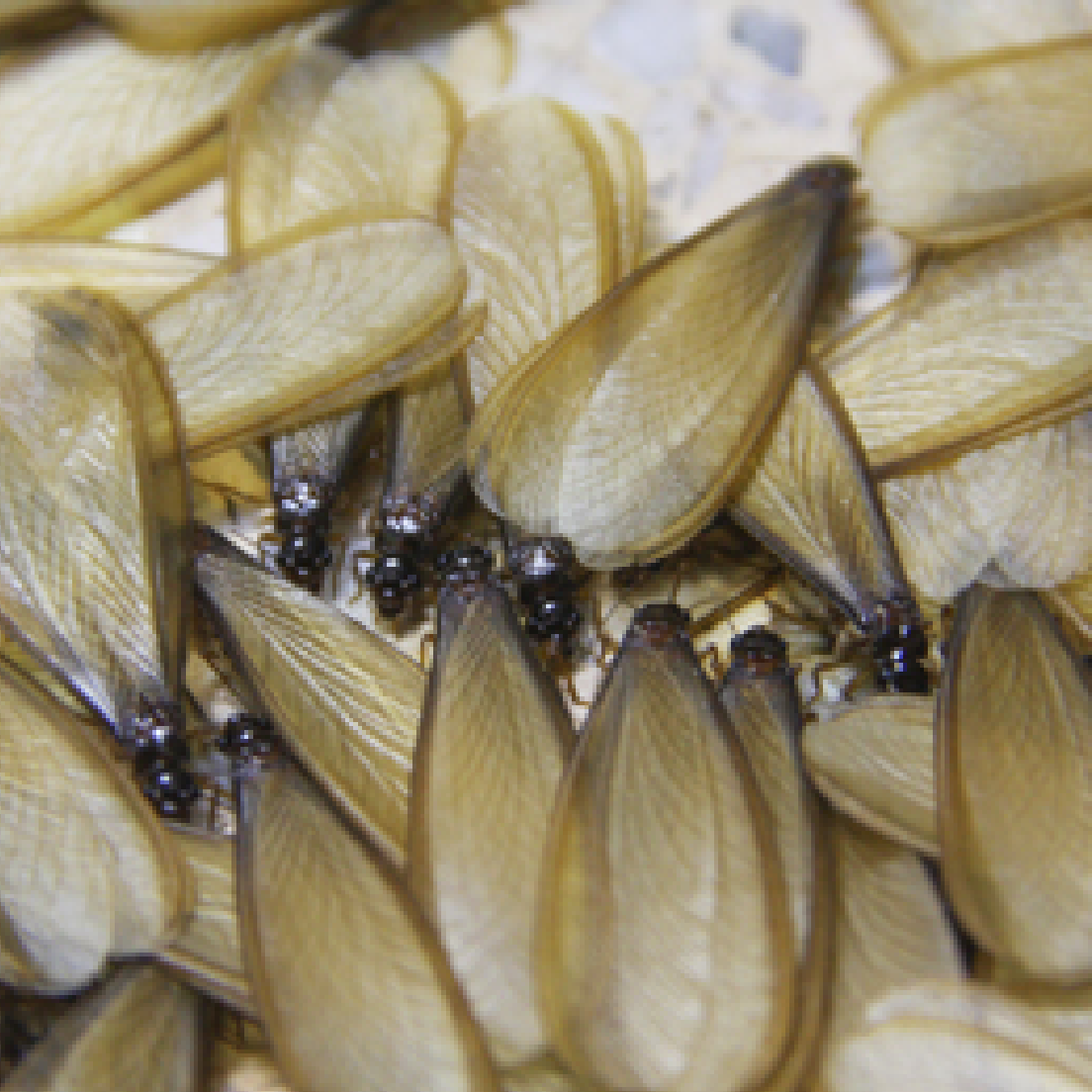 ALATES
Winged reproductives that emerge to establish new colonies.
THE "SILENT DESTROYERS"
Damage and Ecological Importance
Termites are capable of causing severe structural damage often without visible warning signs. Globally, they result in over USD 5 billion in property damage annually.
Early detection and professional management are essential to protect your property safety and value.
Termites are capable of causing severe structural damage often without visible warning signs. Globally, they result in over USD 5 billion in property damage annually.
Early detection and professional management are essential to protect your property safety and value.
View more about TERMITES PEST CONTROL on main site